| Category | Key Examples | Primary Use | Main Risk/Side Effect |
|---|---|---|---|
| Analgesics | Acetaminophen, Ibuprofen | Pain & Fever | Liver or Kidney stress |
| Antihistamines | Loratadine, Diphenhydramine | Allergies | Drowsiness (1st Gen) |
| GI Treatments | Omeprazole, Calcium Carbonate | Heartburn/Acid | Kidney risk (long-term PPIs) |
| Decongestants | Pseudoephedrine | Nasal Congestion | Increased blood pressure |
Managing Pain and Inflammation
When you have a headache or a sprained ankle, you usually reach for one of two things: a fever reducer or an anti-inflammatory. While they both stop pain, they work in entirely different ways.
Acetaminophen is a non-aspirin pain reliever and fever reducer used by millions annually to treat mild to moderate pain without causing stomach irritation. Commonly known by the brand name Tylenol, it is generally the safest bet for children and people with bleeding disorders. However, it is processed by the liver. The FDA reports thousands of cases of acute liver failure each year because people exceed the 4,000mg daily limit or mix it with alcohol.
On the other hand, NSAIDs (Non-Steroidal Anti-Inflammatory Drugs) are a class of medications that reduce pain and swelling by blocking enzymes that cause inflammation. This group includes Ibuprofen (Advil, Motrin) and Naproxen Sodium (Aleve). If you have a muscle injury or arthritis, these are more effective than acetaminophen because they target the swelling. The trade-off? They can be hard on the stomach and kidneys. Research shows NSAIDs can increase the risk of gastrointestinal bleeding by 2 to 4 times compared to those not taking them.
Taming Allergies and Cold Symptoms
The "foggy" feeling you get from some allergy meds isn't a fluke-it's a generational difference in how the drugs are built. First-generation antihistamines like Diphenhydramine (Benadryl) are older allergy medications that cross the blood-brain barrier, causing significant sedation. While great for an occasional allergic reaction or a night of sleep, they're risky for seniors. In fact, adults over 65 using diphenhydramine for sleep have a 30% higher risk of falls.
For daily use, second-generation options are the gold standard. Loratadine (Claritin) and Fexofenadine (Allegra) provide similar relief with about 90% less sedation. If your main struggle is a stuffed nose, a nasal steroid like Fluticasone (Flonase) often outperforms oral pills by about 35% because it treats the inflammation directly in the nasal passage.
When a cold hits, you'll see a mix of cough suppressants and expectorants. Dextromethorphan works to stop the urge to cough, while Guaifenesin (Mucinex) thins the mucus so you can cough it out. Be careful with "multi-symptom" combo packs; they often contain three or four active ingredients, making it easy to accidentally double-dose on a pain reliever if you're also taking a separate Tylenol tablet.
Soothing the Stomach
Heartburn is common, but the way you treat it depends on whether you need a quick fix or a long-term solution. Antacids like Calcium Carbonate (Tums) are just neutralizing agents-they work instantly but wear off quickly.
For those who need something stronger, H2 blockers like Famotidine (Pepcid) reduce the amount of acid your stomach produces. Then there are Proton Pump Inhibitors (PPIs), which are potent acid-suppressing drugs like Omeprazole (Prilosec) used for chronic reflux. PPIs provide the most complete relief, but they aren't meant for permanent use. Long-term PPI use has been linked to a 20-50% increase in the risk of chronic kidney disease. These should be treated as a short-term bridge, not a daily lifelong habit.
Critical Safety Warnings and Contraindications
The biggest danger with OTC drugs is the "invisible" interaction. For example, if you have a kidney condition, you need to be extremely careful with NSAIDs and even certain antihistamines like loratadine, which may require a dose reduction to 5mg if your renal clearance is low.
Pregnancy changes the rules entirely. The American College of Obstetricians and Gynecologists (ACOG) warns against using NSAIDs after 20 weeks of pregnancy because they can cause fetal kidney complications. During this time, acetaminophen is typically the only recommended analgesic.
Age is another huge factor. Since 2008, the FDA has mandated "do not use" labels for cough and cold medications in children under 4. This isn't a suggestion-it's a safety requirement following numerous reports of childhood deaths linked to these products. Always use liquid formulations specifically dosed by weight (e.g., 10-15mg/kg for acetaminophen) for children, and avoid combination products that make it hard to track the exact dosage of each ingredient.
How to Use Your Medicine Cabinet Effectively
Storing your meds in a steamy bathroom cabinet is a common mistake. Most OTC medications need to be kept below 86°F (30°C) to remain stable. Heat and humidity can break down the active ingredients, making the medicine less effective before the expiration date even hits.
When shopping, look for the standardized "Drug Facts" label. This is your roadmap. It tells you the active ingredient concentration, the specific purpose, and the warnings. If you can't find the "Drug Facts" section, you shouldn't be buying the product. If you're unsure whether to pick ibuprofen or acetaminophen, ask your pharmacist. They are the most accessible healthcare experts in your neighborhood and can help you avoid a dangerous drug-drug interaction.
Is it safe to take Tylenol and Advil together?
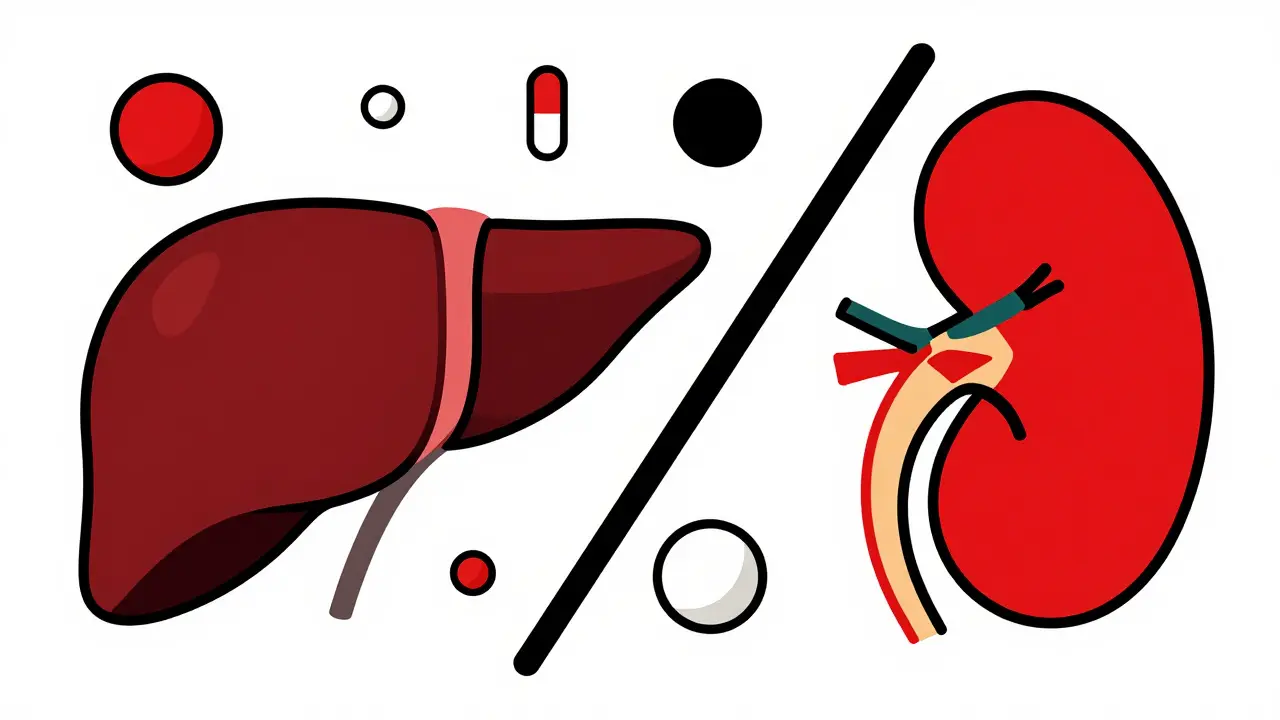
Generally, yes, because they are processed by different organs-acetaminophen by the liver and ibuprofen by the kidneys. However, you should only do this under a doctor's guidance to ensure your organs can handle the load and that you aren't taking other combination meds that already contain these ingredients.
Why do some allergy meds make me sleepy?
First-generation antihistamines like diphenhydramine cross the blood-brain barrier, which affects the central nervous system and causes drowsiness. Second-generation meds like loratadine are designed not to cross this barrier, allowing you to treat allergies without feeling like you need a nap.
Can I take PPIs like Prilosec every day?
PPIs are intended for short-term use (usually a few weeks). Taking them daily for years without medical supervision can increase the risk of chronic kidney disease and other nutritional deficiencies. If you have chronic heartburn, consult a doctor for a long-term management plan.
Are OTC medications safe during pregnancy?
Not all of them. Acetaminophen is generally considered the safest analgesic throughout pregnancy. However, NSAIDs (like ibuprofen or naproxen) should be avoided, especially after 20 weeks of gestation, due to potential fetal kidney issues.
What happens if I take an expired OTC medication?
Most OTC medications don't become toxic immediately after expiration, but they do lose potency. This means the drug may not work as well as it should. For critical symptoms or high-potency meds, always use a fresh bottle to ensure the dosage is accurate.
Next Steps for Your Health
If you're managing a chronic condition like diabetes or heart disease, your first step should be to create a "Safe List" with your pharmacist. Many OTC drugs contain sugars or sodium levels that can interfere with your blood pressure or glucose levels.
For parents, the best move is to switch to child-specific liquid formulations and use the measuring tool provided with the medicine-never a kitchen spoon. If you find yourself relying on OTC meds for more than seven consecutive days, it's time to stop self-treating and book an appointment with a healthcare provider to find the root cause of the problem.