How fake generic drugs slip into the supply chain
You take your blood pressure pill every morning. It’s a generic, cheap, and you trust it because it’s from a pharmacy you’ve used for years. But what if that pill doesn’t contain the right medicine at all? Or worse - what if it contains something dangerous? This isn’t science fiction. fake generic drugs are flooding global supply chains, and they’re harder to spot than ever.
Counterfeit drugs aren’t just mislabeled bottles on a shady street corner anymore. They’re packed in factory-sealed boxes, shipped through legitimate distributors, and sold in online pharmacies that look just like the real thing. The World Health Organization estimates that up to 30% of medicines in low-income countries are fake. In some parts of Africa, nearly half of all antimalarials and antibiotics are counterfeit. Even in the U.S. and Europe, these fakes are slipping through cracks in the system.
The production side: Where fakes are made
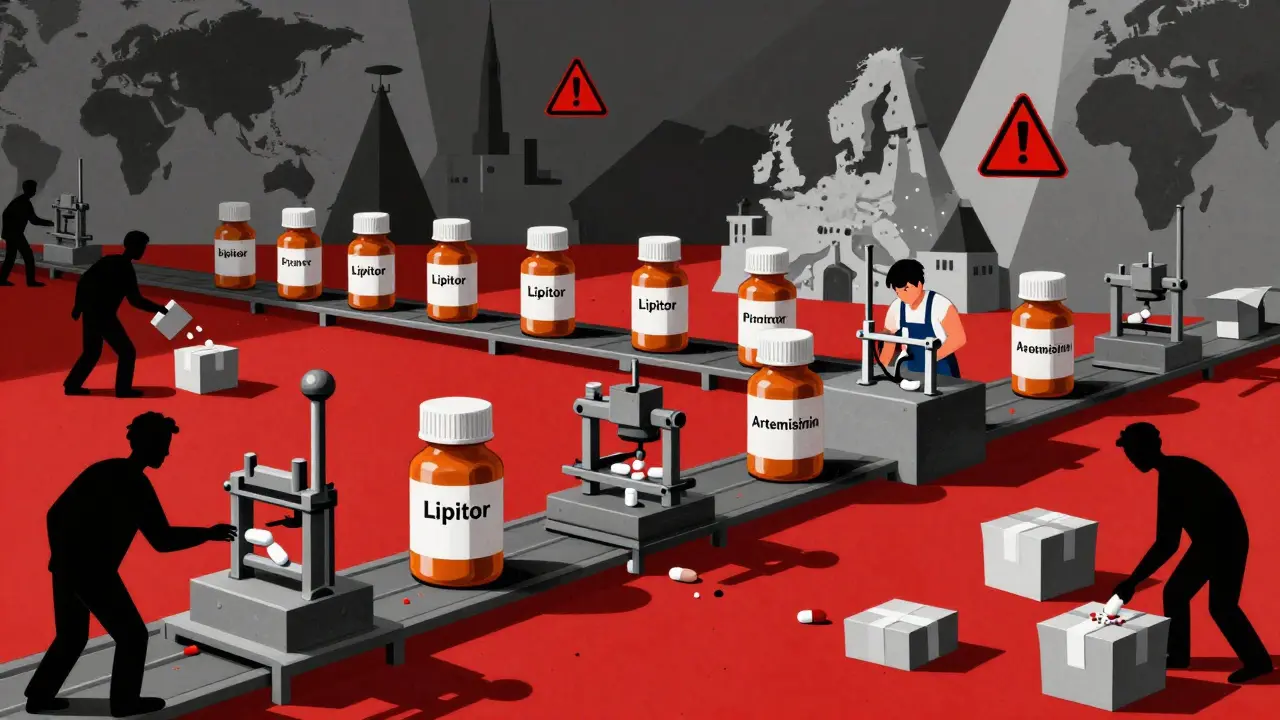
Most counterfeit drugs start in hidden factories - often in Southeast Asia, Eastern Europe, or parts of Africa. These aren’t high-tech labs. They’re warehouses with cheap printing presses, basic chemical mixers, and workers paid pennies to pack pills. The goal? Copy the look perfectly. A fake Lipitor tablet can have the same color, shape, and logo as the real one. Some even replicate the tiny scoring lines on the surface so patients won’t notice.
But the real danger is in what’s inside. Instead of the active ingredient - say, atorvastatin for cholesterol - these pills might contain chalk, sawdust, or worse. In 2008, contaminated heparin from China killed 149 people in the U.S. because it was laced with a toxic industrial chemical. Today, counterfeiters are getting smarter. They’re using chemically similar substances that mimic the real drug’s effects… just not safely. One 2023 study found that 77% of fake drugs detected in legitimate supply chains are oral pills, especially for heart conditions, antibiotics, and malaria.
The three main ways fakes enter the system
Counterfeiters don’t just sell directly to consumers. They sneak into the legal supply chain through three main routes.
- Parallel importation: A drug approved in Country A is bought cheaply, then resold in Country B where it’s priced higher. Regulators in Country B may not check the source, so fake versions get mixed in.
- Grey market sales: Authorized distributors sometimes buy extra stock from manufacturers and sell it to unauthorized resellers. These resellers then blend fake drugs into the real inventory. It’s hard to trace because everything looks official.
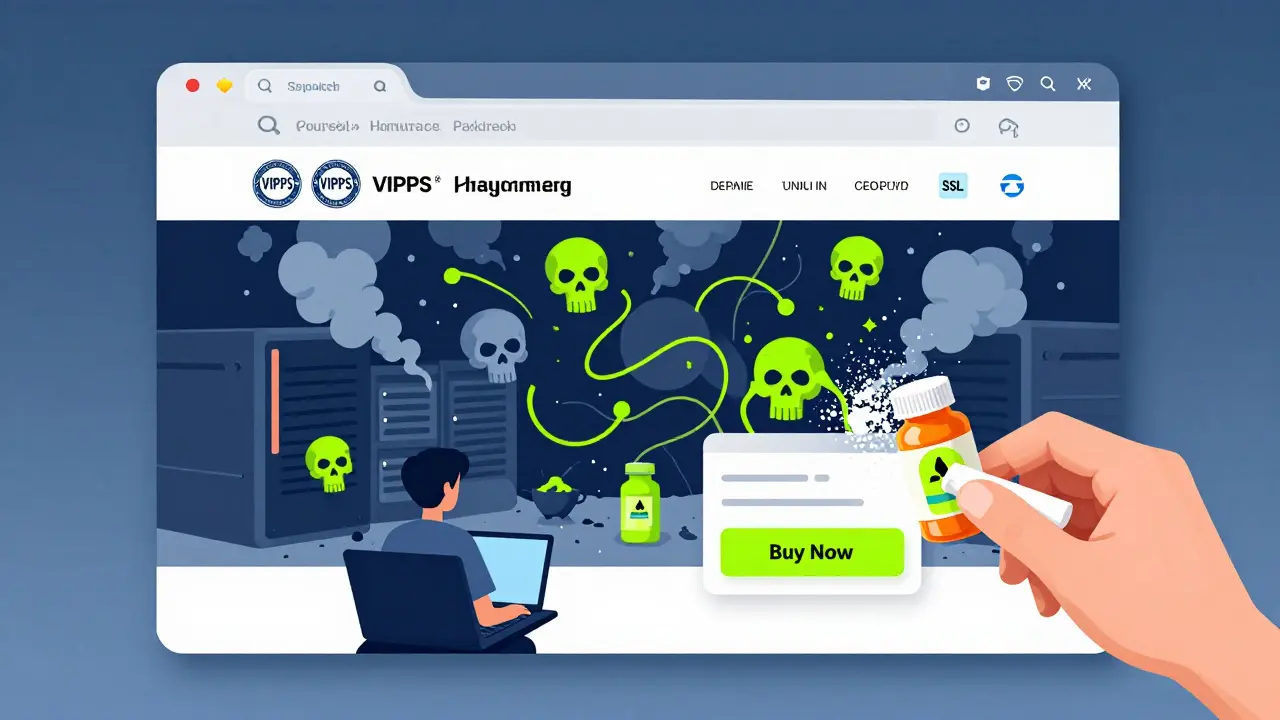
- Online pharmacies: The biggest gateway. The National Association of Boards of Pharmacy found that 95% of online pharmacies operating without a license are selling fake or unsafe drugs. These sites look professional. They use real logos, SSL certificates, and even fake customer reviews. You think you’re buying from CVS or Walgreens - you’re not.
In 2022, a Reddit user named u/PharmaWatcher ordered generic Lipitor from a site that looked legit. The pills arrived in sealed bottles - but the scoring was off, the color was slightly darker, and they didn’t dissolve properly in water. He tested them and confirmed they were fake. He wasn’t the first. The U.S. Pharmacopeia has logged over 1,200 incidents of fake drugs since 2013.
Why the system is so vulnerable
The pharmaceutical supply chain is long, complex, and fragmented. A single pill might pass through six or seven companies before it reaches you: manufacturer → wholesaler → distributor → pharmacy → patient. Each handoff is a chance for fraud.
Only 40% of countries have any kind of track-and-trace system to follow a drug from factory to shelf. Even fewer - just 22 out of 194 WHO member states - have fully working systems. Without digital serialization (unique codes on every package), there’s no way to know if a bottle was stolen, swapped, or counterfeited along the way.
Generic drugs are especially at risk. They’re cheaper, so profit margins are thin. That means manufacturers cut corners. And when a generic drug is made from a de-formulated version of a brand-name drug, small errors in production can lead to dangerous impurities - like the N-nitrosamines found in some blood pressure meds in 2018. Counterfeiters exploit this. They know regulators are stretched thin, and they target the drugs with the highest demand and lowest scrutiny.
How fakes are getting better at hiding
Five years ago, you could spot a fake by the blurry logo or wrong font. Now? Not so much. Europol’s 2022 report showed that counterfeiters are using commercial-grade printing equipment to replicate holograms, color-shifting inks, and even embossed text. Some fakes now include QR codes that link to fake verification pages.
Even more alarming: AI is being used to generate perfect packaging. In early 2023, Europol seized cancer drugs with AI-generated labels that matched the real product down to the millimeter. The packaging passed visual inspection by trained pharmacists. Only lab tests revealed the truth.
Meanwhile, the global market for fake drugs is estimated at $200 billion a year - more than the GDP of many small countries. And it’s growing. The OECD predicts that by 2030, counterfeit medicines could make up 5-7% of all global drug sales if nothing changes.
What’s being done - and what’s not
Some countries are fighting back. The U.S. passed the Drug Supply Chain Security Act in 2013, requiring full traceability by 2023. The EU’s Falsified Medicines Directive cut counterfeit penetration by 18% after requiring unique identifiers and tamper-evident seals. Companies like Pfizer have blocked over 302 million counterfeit doses since 2004 by working with customs and pharmacies.
But these efforts are uneven. In many low-income countries, there’s no money for tracking systems. A single security tag on a pill bottle costs 2-5 cents. Multiply that by billions of doses - and it adds up fast. WHO estimates that most poor nations can’t afford to implement these protections.
And while blockchain pilots (like MediLedger’s) show 97% accuracy in detecting fraud, they’re still in testing. No global standard exists. So while the U.S. and EU are tightening up, other regions remain wide open.
What you can do to protect yourself
You can’t check every pill in a lab. But you can take simple steps to reduce your risk.
- Buy from licensed pharmacies only. Use the NABP’s Verified Internet Pharmacy Practice Sites (VIPPS) list to find approved online sellers.
- Check the packaging. Compare your pills to images on the manufacturer’s website. Look for spelling errors, mismatched colors, or odd textures.
- Ask your pharmacist. If your pill looks different than last time, ask if it’s the same generic. They can check the supplier.
- Never buy from social media or unknown websites. If it’s too cheap, it’s fake. Period.
- Report suspicious drugs. Contact your national drug regulator or use WHO’s Global Surveillance and Monitoring System.
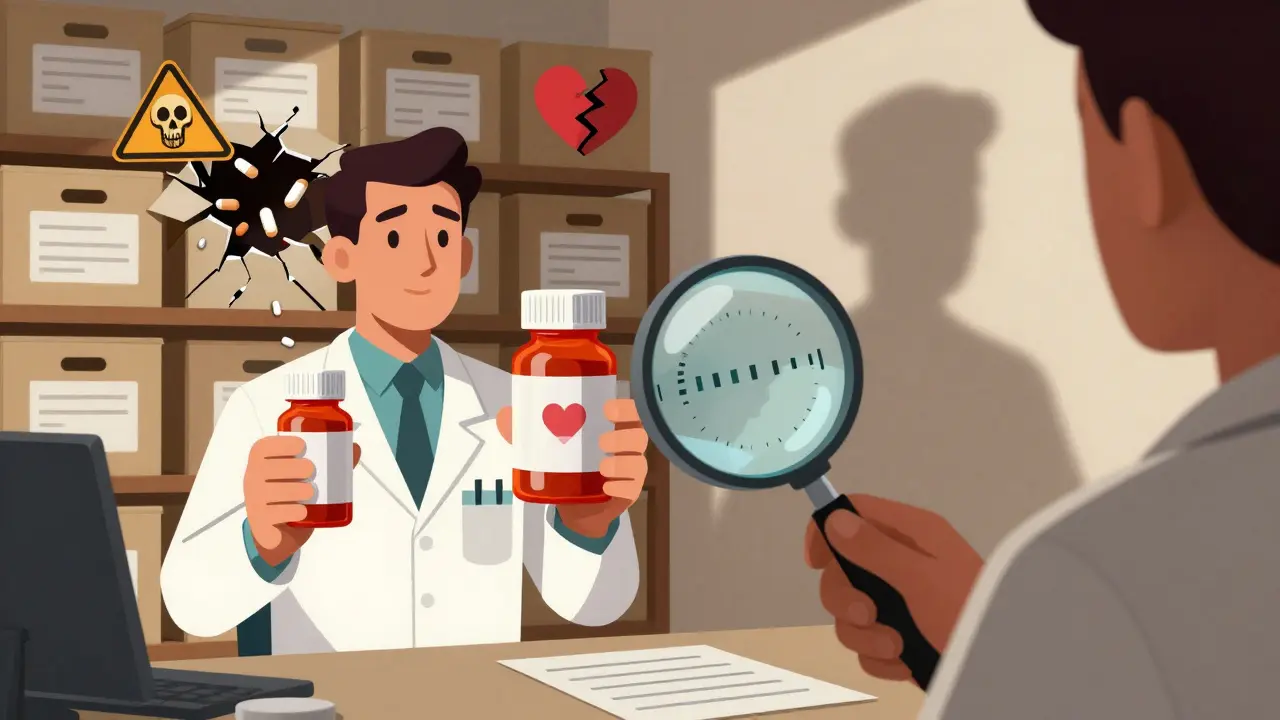
One pharmacist in Kenya told a 2022 survey that she once noticed a batch of antimalarials didn’t dissolve in water like usual. She tested a few and found they contained only 15% of the needed artemisinin. She reported it. The batch was pulled. People were saved.
The bottom line
Fake generic drugs aren’t just a problem in distant countries. They’re in your medicine cabinet. The system is broken in places, and criminals are exploiting it. But awareness and vigilance can stop them. The next time you pick up a prescription, take a second to look. It could save your life.
How can I tell if my generic drug is fake?
Look for changes in color, shape, size, or scoring on the pill. Compare the packaging to images on the manufacturer’s official site. Check for misspellings, poor print quality, or missing lot numbers. If the price seems too low, it’s a red flag. Talk to your pharmacist - they can verify the supplier and batch.
Are online pharmacies ever safe?
Only if they’re verified. Look for the VIPPS seal from the National Association of Boards of Pharmacy (NABP) or the similar EU logo for legitimate online pharmacies. Avoid sites that sell without a prescription, offer “miracle cures,” or ship from unknown countries. Over 95% of online pharmacies are illegal.
Why are generic drugs targeted more than brand-name ones?
Generics are cheaper and sold in higher volumes, making them more profitable for counterfeiters. They also face less regulatory scrutiny because they’re not branded. Many people assume generics are identical to the original - so fake versions are easier to pass off. Plus, manufacturers of generics often operate on thin margins, which can lead to quality lapses that counterfeiters exploit.
What are the most common fake drugs?
The most common fake drugs are high-demand, low-cost generics: blood pressure meds (like losartan), antibiotics (amoxicillin), cholesterol drugs (atorvastatin), and antimalarials (artemisinin-based). These are often life-saving, so people take them regularly - making them ideal targets for fraud.
Can counterfeit drugs be deadly?
Absolutely. In 2008, contaminated heparin killed 149 people in the U.S. Fake antibiotics can cause treatment failure and spread drug-resistant infections. Fake cancer drugs may contain toxic chemicals or no active ingredient at all. In Africa, counterfeit antimalarials are linked to thousands of preventable deaths each year. Even if a fake doesn’t kill you, it can make your condition worse.
Is there a global system to track fake drugs?
There’s no single global system yet. The WHO runs a surveillance network that collects reports from 130+ countries, but only 22 countries have full track-and-trace systems in place. The U.S. and EU are leading in traceability, but many low-income countries lack funding and infrastructure. Without universal standards, fakes keep slipping through.
If you’ve ever wondered why your medication looks different this time, don’t ignore it. Ask questions. Check the source. Report it. The system isn’t perfect - but your awareness can help fix it.
Chris & Kara Cutler
February 1, 2026 AT 04:53Donna Macaranas
February 3, 2026 AT 00:00Rachel Liew
February 4, 2026 AT 13:40Lisa Rodriguez
February 5, 2026 AT 03:27Lilliana Lowe
February 6, 2026 AT 06:43vivian papadatu
February 6, 2026 AT 17:42Melissa Melville
February 8, 2026 AT 15:26Naresh L
February 10, 2026 AT 05:19Sami Sahil
February 10, 2026 AT 19:54