
Medication Decision Alignment Tool
Use this tool during a consultation to weigh medication options against your personal health values. This mirrors the Values Clarification process used in validated Patient Decision Aids (PDAs).
1. Your Priority Values
Which of these are most important to you? (Select all that apply)
2. Medication Profile
Input the characteristics of the medication options you are considering:
Calculating...
Ever felt like a passenger in your own healthcare, just nodding along while a doctor lists a medication's benefits and risks? Most of us have. But when it comes to choosing a drug-especially for a chronic condition-guessing isn't a great strategy. That's where Patient Decision Aids is evidence-based tools designed to help patients and providers make informed choices by presenting balanced information about treatment options, risks, and outcomes. Also known as PtDAs or PDAs, these tools move the conversation from "do what I say" to "let's decide together."
Why Decision Aids Matter for Medication Safety
Medication safety isn't just about avoiding a wrong dose; it's about ensuring the patient is on the right medication for their specific life circumstances. When a patient doesn't understand why they're taking a pill or fears the side effects more than the disease, they stop taking it. This lack of adherence is a massive safety gap.
By using a structured tool, patients stop being passive recipients. Research shows a significant shift in engagement: patients using these aids demonstrate a 22.09 point higher involvement score on the OPTION scale compared to those receiving standard care. When you're actively involved in the choice, you're far more likely to stick to the regimen, which directly reduces the risk of medication errors and treatment failure.
The Gold Standard: Understanding IPDAS
Not every brochure in a waiting room is a decision aid. To be effective, a tool needs to meet strict criteria. The IPDAS Collaboration is the international body that sets the standards for the development and evaluation of patient decision aids. Their framework ensures that a tool doesn't just "sell" one treatment but provides a balanced view.
A high-quality aid focuses on several key dimensions:
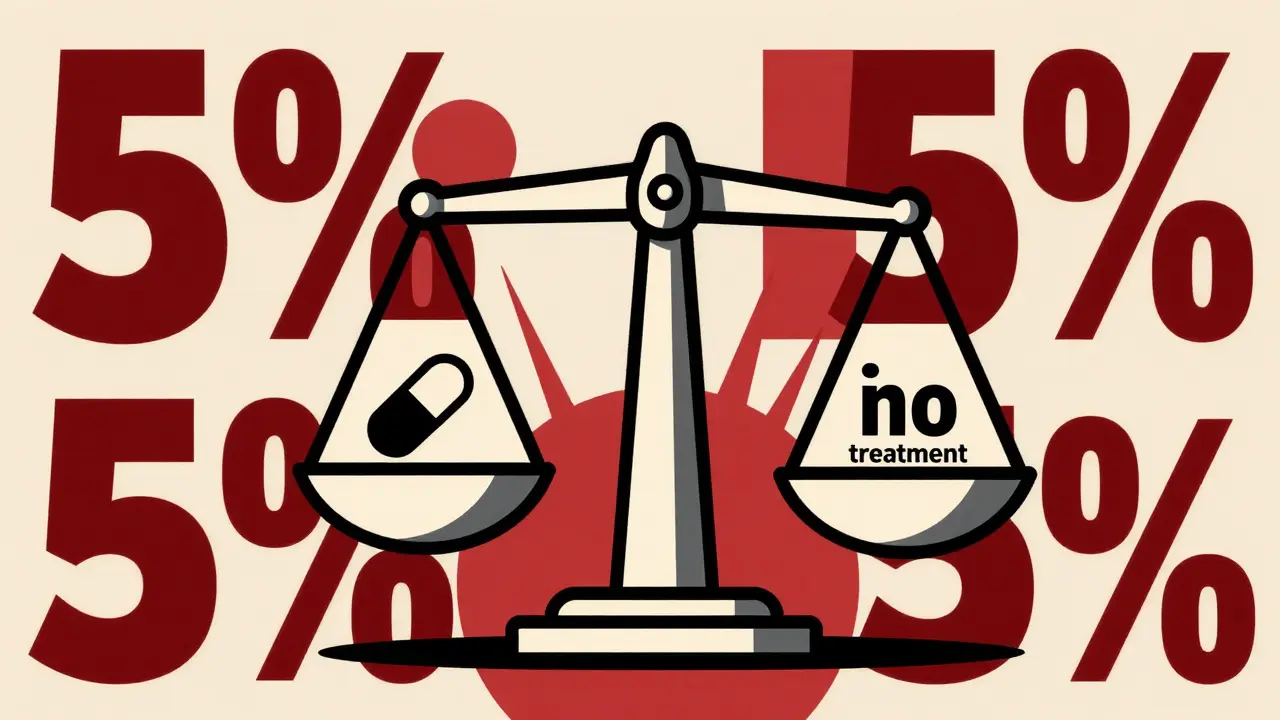
- Balanced Options: It lists the pros and cons of the drug, as well as the consequences of doing nothing.
- Probabilities: Instead of saying "some people get side effects," it uses concrete data (e.g., "5% of users experience nausea").
- Values Clarification: It helps you figure out what matters most. For some, avoiding a specific side effect is more important than a 2% increase in efficacy.
| Metric | Standard Clinical Consultation | PDA-Supported Decision |
|---|---|---|
| Patient Knowledge Score | Baseline | +13.28 points higher on average |
| Decisional Conflict | Higher uncertainty | 8.7 point reduction (Decisional Conflict Scale) |
| Adherence Rate (Diabetes) | Standard baseline | 17.3% improvement at 6 months |
| User Satisfaction | 3.1 / 5.0 | 4.2 / 5.0 |
Putting Theory into Practice: Real-World Scenarios
Where do these tools actually make a difference? They excel in "preference-sensitive" decisions-scenarios where there isn't one single "right" answer, but rather a choice based on a patient's lifestyle and values.
Take statin therapy as an example. Many patients are hesitant to start statins due to perceived risks. When using the 'Statin Choice' aid, roughly 35% of patients actually change their initial preference after seeing their actual 10-year cardiovascular risk. One patient, sharing their experience on Reddit, noted that the tool helped them realize their risk was 7.2%-not "high" as previously described-which prevented them from starting an unnecessary medication.
In diabetes care, the impact is even more concrete. At the Mayo Clinic, integrating PDAs into the care pathway boosted medication adherence from 58% to 75% over six months. When patients understand the trade-offs between different insulin types or oral medications, they feel ownership over the process, making the treatment plan safer and more sustainable.
The Digital Shift: EHRs and AI
We've moved far beyond paper pamphlets. Today, most decision aids are digital, and about 78% now include interactive risk calculators. The real game-changer is integration with Electronic Health Records (or EHRs), which are digital versions of a patient's paper chart, containing medical history, diagnoses, and medications.
By using FHIR APIs (Fast Healthcare Interoperability Resources), these tools can pull a patient's specific lab results and health history to tailor the options presented. We are seeing a move toward "Personalized Medication Decision Support Systems" that use AI to match medication options to a patient's specific genetic or clinical profile, further reducing the trial-and-error phase of prescribing.
Implementation Hurdles: The Time Crunch
If they work so well, why isn't every doctor using them? The biggest barrier is the clock. A typical clinical visit is about 15 minutes. Adding a validated decision aid can add 3 to 8 minutes to that consultation. For a busy primary care physician, that's a significant chunk of their day.
To get around this, high-performing clinics are using a "pre-visit" model. They send the digital aid to the patient's portal 48 hours before the appointment. The patient reviews the options and clarifies their values at home, and the actual visit is spent discussing the choice rather than explaining the basics. This shifts the labor from the clinic to the patient's own time, making the process efficient without sacrificing quality.

Potential Pitfalls to Watch For
While the data is overwhelmingly positive, PDAs aren't a magic bullet. There are two main risks: information overload and the "literacy gap."
For elderly patients or those with low health literacy, a complex digital tool can be intimidating. If a tool is too dense, it can actually increase anxiety instead of reducing it. Experts suggest using the "teach-back" method-where the provider asks the patient to explain the options back to them-to ensure the tool is actually helping and not just confusing the patient. Additionally, these tools are less effective in emergency settings where decisions must be made in seconds, not minutes.
Are patient decision aids free for patients to use?
Many are. For example, the Ottawa Hospital Research Institute's Decision Aids Library provides a wide array of validated tools for free. However, some integrated digital platforms may be part of a paid healthcare system's portal.
Do these tools replace the doctor's expertise?
No. They are designed to facilitate shared decision-making, not replace professional judgment. The tool provides the evidence, but the doctor and patient together apply that evidence to the patient's unique clinical situation.
Can a decision aid help me decide if I should stop a medication?
Yes. Many aids include a "no treatment" or "discontinue treatment" option. They help you weigh the risks of staying on a drug (like side effects) against the risks of stopping it (like disease progression).
How do I know if a decision aid is scientifically valid?
Look for tools that mention IPDAS (International Patient Decision Aids Standards) certification. This indicates the tool has been vetted for balance, accuracy, and usability.
Do insurance companies pay for the time spent using these tools?
It's becoming more common. In the U.S., CMS has included shared decision-making as a quality metric in some Medicare Advantage plans, and several states have passed laws supporting their use, which is slowly pushing reimbursement models to value the time spent on these discussions.
Next Steps for Patients and Providers
If you're a patient, don't be afraid to ask your doctor: "Is there a decision aid or a tool that can help us compare these medication options?" Most doctors are open to it, even if they don't have the tool handy. You can even find validated aids online via the Ottawa Hospital Research Institute to bring to your next visit.
For providers, start small. Pick one preference-sensitive area-like statins or diabetes meds-and implement a pre-visit digital aid. Using a 12-item tool like the OPTION scale can help you track how your communication is improving and where your patients might still be struggling with the decision process.