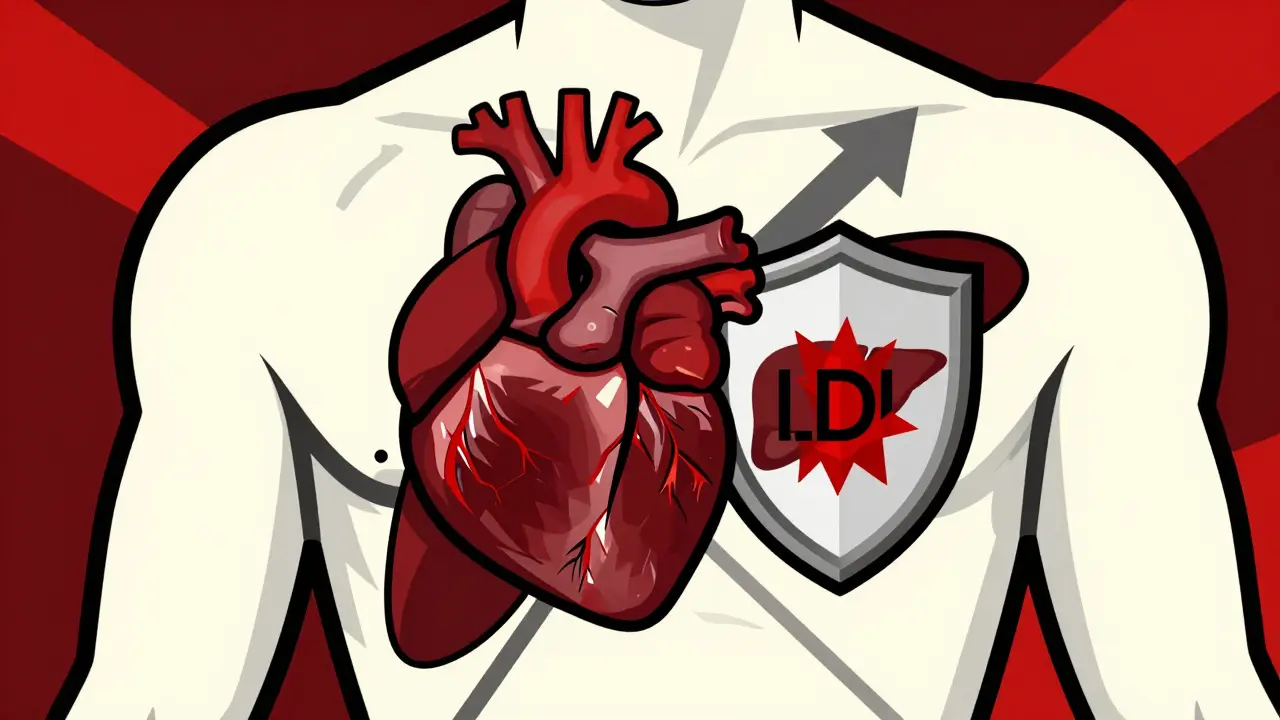
If you have been told to skip a cholesterol drug because of your liver health, you might be missing out on a massive cardiovascular safety net. The current medical consensus is shifting from "be careful" to "these are essential allies" for the right patients.
How Statins Actually Work in the Body
To understand why they are safe, we need to look at what they actually do. Statins target an enzyme called HMG-CoA reductase. This enzyme is the "bottleneck" or rate-limiting step in how your body makes cholesterol. By blocking this enzyme, statins force the liver to pull more LDL cholesterol often called "bad" cholesterol, which contributes to fatty buildups in the arteries out of the blood to compensate.
Depending on the dose and the specific drug, this can slash your LDL levels by 25% to 60%. But there is more to the story than just numbers on a lab report. Statins have "pleiotropic effects," which is a fancy way of saying they do a few extra jobs. They lower inflammation (measured by C-reactive protein), stop white blood cells from sticking to artery walls, and improve how blood vessels function. For someone with liver disease, these heart-protecting benefits are crucial because the risk of heart attack and stroke remains high regardless of liver status.
The Truth About Liver Safety and Hepatotoxicity
The fear of "hepatotoxicity"-drug-induced liver damage-is largely based on outdated data. When we look at the numbers, the risk of severe liver injury from statins is incredibly low, occurring in roughly 0.001% of patients. To put that in perspective, that is about 1 person per 100,000 patient-years.
Large-scale trials have consistently debunked the danger. The EXCEL trial, which followed 8,000 patients on lovastatin, found zero cases of clinically symptomatic hepatitis. Similarly, the JUPITER trial involving 18,000 people using rosuvastatin showed that liver-related issues happened at the same rate in the group taking the drug as they did in the group taking a placebo.
Medical experts, including those from the American Heart Association, now suggest that routine liver function monitoring isn't even necessary for most patients on these drugs. Even patients with modestly elevated liver enzymes-up to three times the normal limit-can often take statins safely.
Surprising Benefits for the Liver Itself
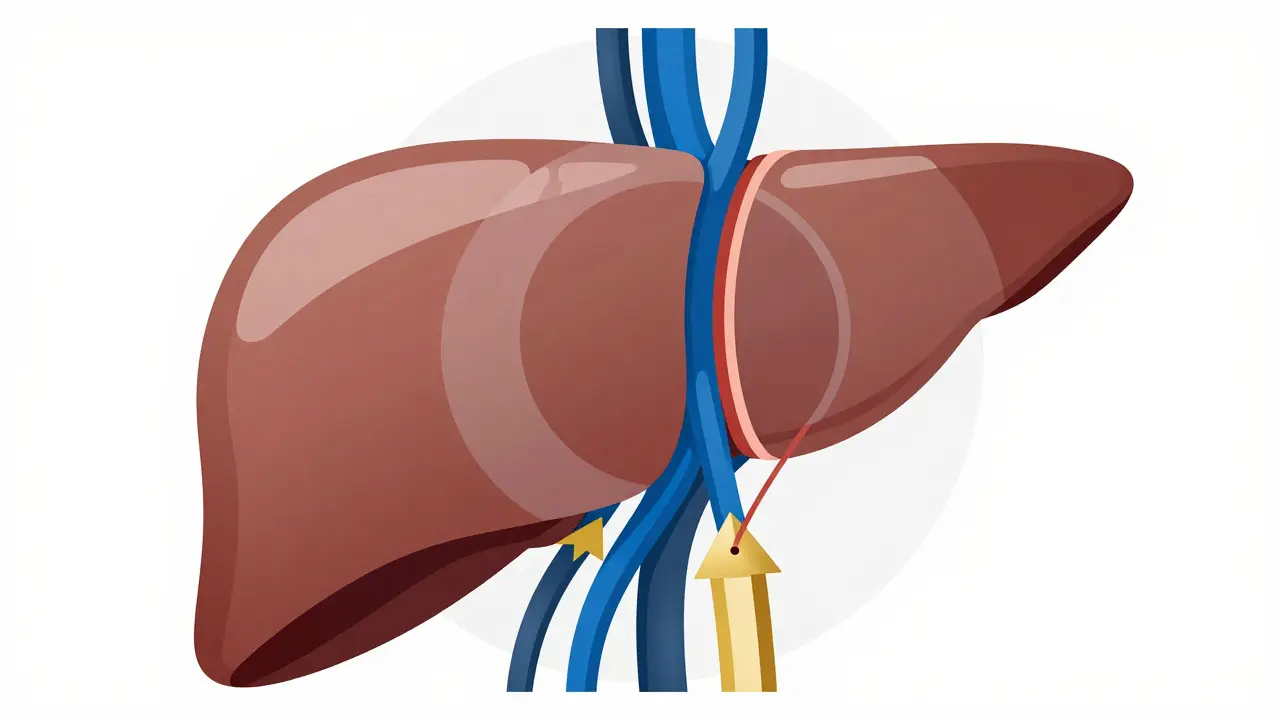
Here is the part that usually surprises people: statins might actually make the liver environment healthier. In people with cirrhosis a late-stage liver disease where healthy liver tissue is replaced by scar tissue, causing impaired function, blood flow to the organ often becomes restricted, increasing portal hypertension.
Research shows that statins can help relax the liver's blood vessels. By increasing levels of nitric oxide and a protein called KLF2, statins can reduce hepatic vascular resistance. In one clinical study of 30 patients with cirrhosis, taking simvastatin decreased vascular resistance by 14% and boosted blood flow by 20% within just 30 minutes.
Even more impressive is the data on "decompensation"-when the liver stops functioning and causes critical failures like fluid buildup or bleeding. A 2023 study in Gastroenterology Research found that statins reduced the risk of hepatic decompensation and variceal bleeding significantly. Essentially, the drug doesn't just protect the heart; it may stabilize the liver.
Choosing the Right Statin for Liver Patients
Not all statins are processed the same way. Some are broken down by specific enzymes in the liver, while others take a different route. If you have advanced liver disease, your doctor will likely choose a drug that doesn't rely heavily on the CYP3A4 pathway to avoid drug-drug interactions and minimize stress on the organ.
| Statin | Metabolism Pathway | Liver Disease Note |
|---|---|---|
| Atorvastatin | CYP3A4 | High potency; standard use. |
| Rosuvastatin | Minimal CYP metabolism | Often preferred in liver impairment. |
| Pravastatin | Minimal CYP metabolism | Very safe profile for chronic liver disease. |
| Simvastatin | CYP3A4 | Effective, but more prone to interactions. |

Practical Guide: Starting Statins with Chronic Liver Disease
If you are managing both cholesterol and liver health, the approach is usually "start low and go slow." Doctors typically begin with low-to-moderate intensity doses to see how the body reacts before titration.
For those with compensated cirrhosis, high-intensity statins (like atorvastatin 40-80 mg) have shown the best results in reducing all-cause mortality. However, for those with advanced Child-Pugh class C cirrhosis, a more cautious dose of pravastatin or rosuvastatin is the standard move.
One practical tip: avoid grapefruit juice. It interferes with the CYP3A4 enzyme, which can spike the levels of certain statins in your blood, increasing the risk of muscle aches (myopathy)-the most common side effect of these drugs. While muscle pain happens in about 12% of users, it is a cardiovascular side effect, not a liver one.
The Bottom Line for Patients
The biggest hurdle to getting the right care is often physician hesitancy. Because the old guidelines emphasized liver risk, some doctors are still reluctant to prescribe statins to people with liver disease. This means many patients are under-treated for their heart risk.
If you have stable liver disease, the evidence is clear: the cardiovascular protection you gain far outweighs the tiny risk of liver injury. Whether you are dealing with non-alcoholic fatty liver disease (NAFLD) or compensated cirrhosis, these medications can be safe and effective tools to extend your life.
Do statins cause liver failure?
No. Severe liver injury caused by statins is extremely rare, affecting approximately 0.001% of users. Most "liver enzyme spikes" seen in blood tests are mild and temporary, and they do not lead to permanent liver failure.
Can I take statins if I have cirrhosis?
Yes, provided the liver disease is stable. Statins are generally safe for patients with compensated cirrhosis and may even reduce the risk of variceal bleeding and hepatic decompensation.
Which statin is safest for the liver?
Statins with minimal CYP450 metabolism, such as pravastatin and rosuvastatin, are often preferred for patients with liver impairment because they have fewer drug interactions and a lower metabolic burden on the liver.
Will statins lower my liver enzymes?
While statins are primarily for cholesterol, some patients with NAFLD have reported improved liver numbers. More importantly, they reduce the systemic inflammation that can exacerbate liver stress.
What should I monitor while taking statins with liver disease?
Your doctor will likely take baseline liver function tests. However, current guidelines from the American Heart Association suggest that routine, lifelong monitoring of liver enzymes is not necessary for most stable patients.