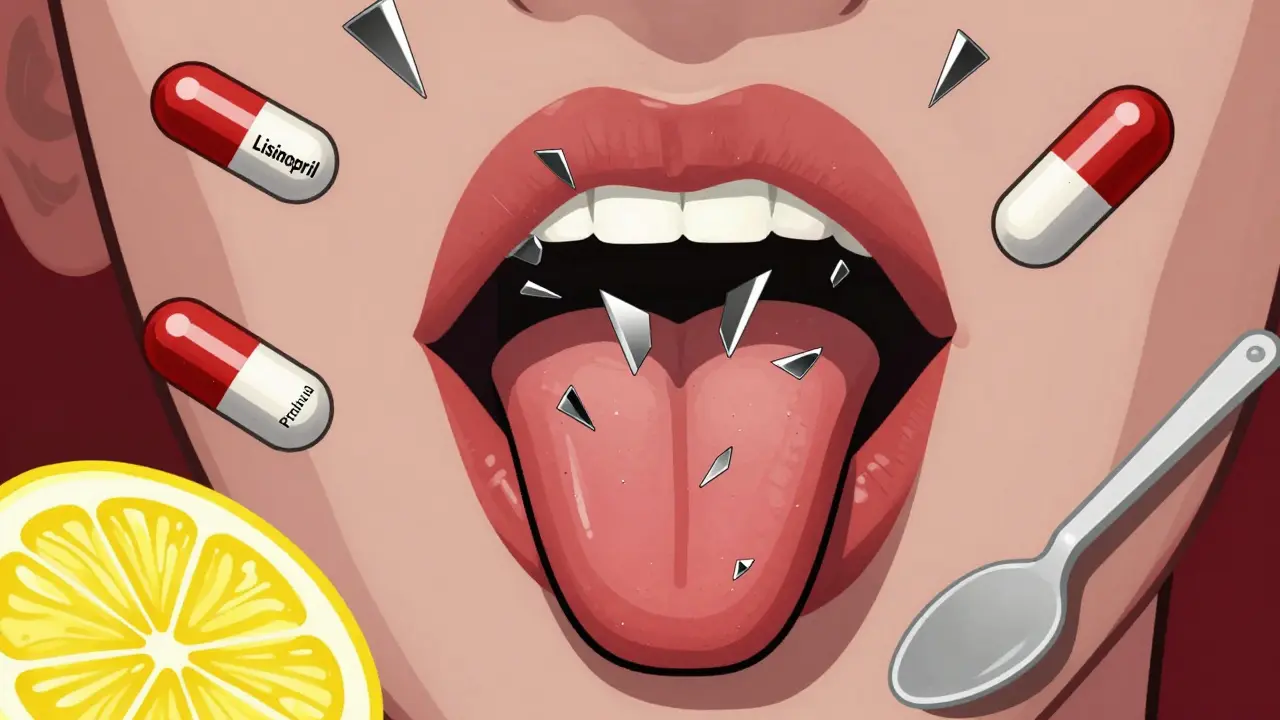
Ever taken a pill and suddenly everything tastes like licking a penny? You’re not alone. Metallic taste - or dysgeusia - is one of the most common yet under-discussed side effects of medications. It’s not just annoying. It can make you lose your appetite, skip meals, or even stop taking your medicine altogether. And if you’re on long-term drugs for high blood pressure, depression, or cancer, this taste shift can seriously mess with your health.
Why Does Medication Make Your Mouth Taste Like Metal?
It’s not your imagination. Certain drugs don’t just work in your bloodstream - they show up in your saliva. When that happens, they directly interfere with your taste buds. Some medications, like metronidazole (Flagyl) or amoxicillin, lower zinc levels in your body. Zinc is critical for taste function. Without enough of it, your tongue can’t send the right signals to your brain.
Other drugs, like ACE inhibitors (lisinopril, enalapril) or SSRIs (Prozac, Zoloft), dry out your mouth. Saliva isn’t just for comfort - it’s the carrier that dissolves food molecules so your taste buds can detect them. Less saliva? Less taste. And then there are drugs like lithium, levodopa, or even Paxlovid that bind directly to taste receptors, tricking them into sending a metal signal even when there’s no metal in your mouth.
It usually starts within 24 to 72 hours after you begin a new medication. If you started a new pill and now your coffee tastes like a battery, that’s not coincidence. That’s your body reacting to the drug.
Which Medications Are Most Likely to Cause Metallic Taste?
Not all drugs do this - but some are notorious for it. Here’s what shows up most often in patient reports and clinical studies:
- Antibiotics: Metronidazole (Flagyl), amoxicillin/clavulanate (Augmentin), cephalexin
- Psychiatric meds: Lithium, fluoxetine (Prozac), sertraline (Zoloft)
- Heart drugs: ACE inhibitors like lisinopril, enalapril
- Neurological meds: Levodopa (for Parkinson’s)
- Cancer treatments: Platinum-based chemo (carboplatin, cisplatin)
- Antivirals: Paxlovid (nirmatrelvir/ritonavir)
For chemo patients, up to 80% report taste changes. For people on Paxlovid, about 58% get that metallic aftertaste. Even common blood pressure pills affect 5-10% of users. The numbers vary, but the pattern doesn’t: if you’re on one of these, your taste buds are likely in for a ride.
How Is This Different From Other Causes of Metallic Taste?
Not every weird taste is from a pill. Gum disease, sinus infections, or even zinc deficiency can cause the same feeling. But here’s how to tell the difference:
- Medication-induced: Starts within days of starting a new drug. Gets worse after taking the pill. Doesn’t improve with brushing or mouthwash. Goes away after stopping the drug.
- Oral health issue: Comes with bleeding gums, bad breath, or loose teeth. Doesn’t change with pill timing.
- Infection-related: Happens with a cold or flu. Clears up in 1-2 weeks.
- Zinc deficiency: Often affects older adults. May improve with zinc supplements - but only if the cause is low zinc, not the drug itself.
Key clue: If your taste changed right after you started a new medication, the drug is almost certainly the culprit.
Proven Ways to Cope With Metallic Taste
Stopping your meds isn’t safe - and often unnecessary. Here’s what actually works, backed by research and patient reports.
1. Try Zinc Supplementation (But Do It Right)
Zinc is the most studied fix for drug-induced dysgeusia. In a trial at MD Anderson Cancer Center, 50 mg of zinc gluconate daily improved taste in 65% of chemo patients. For others, 25-50 mg daily for 2-4 weeks helped.
But don’t just grab any zinc. Use zinc gluconate or zinc sulfate. Avoid chewable or gummy forms - they often contain sugar that makes taste worse. Take it on an empty stomach for best absorption, but if it upsets your stomach, take it with a small amount of food.
Warning: Don’t take more than 50 mg daily for longer than a month without checking your copper levels. High zinc can cause copper deficiency, which leads to anemia and nerve problems.
2. Change Your Utensils
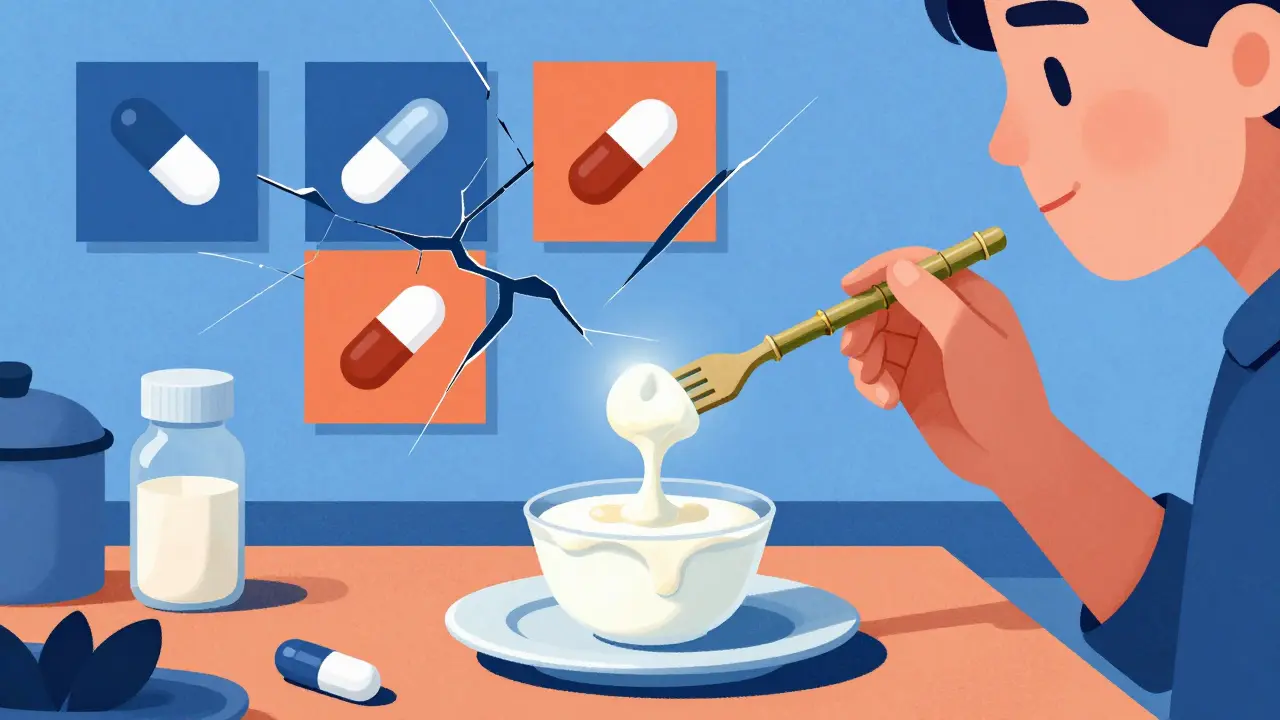
It sounds silly, but metal spoons and forks can make metallic taste worse. When you eat with metal utensils, they react with the drug residue in your saliva and release more metal ions. Switch to plastic, bamboo, or glass utensils. You’ll notice a difference - especially with foods like eggs, meat, or coffee.
3. Eat Tart and Cold Foods
Tart flavors like lemon, lime, or pickles stimulate saliva and distract your taste buds. Suck on a lemon wedge before meals. Try chilled foods - they tend to taste less intense than warm ones. Cold yogurt, chilled fruit, or iced tea can be easier to tolerate than hot, strong-flavored meals.
4. Marinate Your Protein
Meat, chicken, and fish often taste the worst. Marinate them in strong flavors: teriyaki sauce, barbecue sauce, garlic-herb mixes, or citrus-based dressings. The bold taste overpowers the metallic note. Try adding a splash of vinegar or balsamic glaze - it cuts through the metal and adds depth.
5. Brush With Baking Soda
Regular toothpaste can make things worse if it contains sodium lauryl sulfate (SLS), which dries out your mouth. Try brushing twice a day with baking soda paste (mix 1 tsp baking soda with a little water). It neutralizes acids, reduces bacteria, and may help reset your taste buds. Floss daily - plaque buildup traps drug residues and makes taste worse.
6. Take Medication With Food
For Paxlovid and some antibiotics, taking the pill with a high-fat meal reduces metallic taste by up to 27%. Eat a small avocado, a handful of nuts, or a spoonful of peanut butter with your dose. Food slows absorption and reduces the drug’s concentration in your saliva.
7. Get a Dental Cleaning
If you’ve been on meds for months, plaque and tartar may be building up. A professional cleaning every 3-4 months helps remove residue that worsens taste. Tell your dentist you’re experiencing dysgeusia - they’ll know what to look for.
What If Nothing Works?
If you’ve tried all the tips and the taste is still crushing your appetite or mood, talk to your doctor. You have options:
- Dose adjustment: Sometimes lowering the dose reduces side effects without losing effectiveness.
- Switch meds: There are alternatives. For example, if you’re on lisinopril and hate the taste, you might switch to losartan - it rarely causes dysgeusia.
- New formulations: In January 2023, the FDA approved a new lithium carbonate pill with a polymer coating that cuts metallic taste by over 65%. Ask if newer versions are available.
Don’t assume your doctor doesn’t care. A 2022 survey found 63% of patients felt their taste complaints were dismissed. But awareness is rising. The FDA now requires taste testing for new oral drugs meant for long-term use. Pharmaceutical companies are developing taste-masking tech - like Lipocure’s lipid delivery system for chemo drugs - that’s already cutting metallic taste by 73% in trials.
It’s Not Just About Taste - It’s About Survival
Ignoring taste changes isn’t harmless. A 2022 IQVIA analysis found taste-related side effects cause 17% of premature medication stops in people over 65. That leads to hospitalizations, worsening conditions, and billions in avoidable costs. For cancer patients, losing your appetite because everything tastes like metal can mean dangerous weight loss - one patient lost 12 pounds during chemo because she couldn’t eat red meat.
But here’s the good news: you don’t have to live with it. Most cases improve with simple, low-cost steps. Zinc, tart foods, plastic utensils, and better timing of your pills can make a huge difference.
When to See a Doctor
Call your provider if:
- The metallic taste lasts more than 2 weeks after starting the drug
- You’re losing weight or skipping meals because of it
- You also have numbness, burning tongue, or dry mouth that won’t go away
- You’re on multiple meds and think one might be the cause
Ask for a zinc level test. It’s cheap, quick, and often overlooked. And don’t be afraid to say: “This taste is affecting my ability to take my medicine. Can we fix it?”
Can metallic taste from medication go away on its own?
Yes, in many cases. If the drug is temporary - like a 10-day antibiotic course - the taste usually fades within a few days after stopping. For long-term meds, it may persist as long as you’re taking the drug. But with coping strategies like zinc, dietary changes, and better oral hygiene, many people see improvement within 1-2 weeks, even while still on the medication.
Does drinking water help with metallic taste?
Drinking water helps a little by rinsing away drug residue, but it’s not enough on its own. The real issue is saliva quality, not just quantity. If your mouth is dry from medication, water won’t fix the low saliva production. Try sipping lemon water or sugar-free sour candies to stimulate natural saliva flow instead.
Is metallic taste dangerous?
The taste itself isn’t dangerous - but what it leads to can be. If you stop eating because food tastes awful, you risk malnutrition, weight loss, and weakened immunity. For seniors or people with chronic illness, this can lead to hospitalization. It’s not just a nuisance - it’s a health risk that needs attention.
Can I take zinc supplements with my other medications?
Zinc can interfere with some antibiotics (like tetracycline and quinolones) and thyroid meds. Take zinc at least 2 hours before or after those drugs. Always check with your pharmacist or doctor before starting zinc - especially if you’re on multiple prescriptions. It’s safe for most people, but timing matters.
Why do some people get metallic taste and others don’t?
Genetics play a role. Researchers found that people with certain versions of the TAS2R38 gene - which controls bitter taste sensitivity - are more likely to notice metallic tastes from drugs. Age matters too. Older adults have fewer taste buds and often take more meds, making them more vulnerable. It’s not random - it’s biology.
What’s Next?
Science is moving fast. In 2023, a new zinc-carnosine compound called Polaprezinc showed 40% better results than standard zinc in clinical trials. Low-level laser therapy on the tongue is being tested in clinics. And personalized medicine is on the horizon - soon, your doctor might test your genes before prescribing a drug to see if you’re at high risk for taste loss.
For now, you don’t need to wait. Start with the basics: try zinc, switch to plastic utensils, eat tart foods, and talk to your doctor. You’re not broken. Your taste buds are just reacting to chemistry. And chemistry can be managed.
Alex Flores Gomez
January 29, 2026 AT 14:15DHARMAN CHELLANI
January 30, 2026 AT 04:08Keith Oliver
January 31, 2026 AT 06:13Kacey Yates
January 31, 2026 AT 23:21ryan Sifontes
February 2, 2026 AT 11:23Laura Arnal
February 3, 2026 AT 21:58Jasneet Minhas
February 5, 2026 AT 04:08Robin Keith
February 5, 2026 AT 20:17Sheryl Dhlamini
February 7, 2026 AT 10:09Doug Gray
February 9, 2026 AT 00:34Kristie Horst
February 10, 2026 AT 15:19LOUIS YOUANES
February 10, 2026 AT 21:03Andy Steenberge
February 11, 2026 AT 22:22