SEARCH
Antibiotics and Warfarin Interaction: What You Need to Know
When you're taking warfarin, a blood thinner used to prevent dangerous clots, even a simple antibiotic can throw your whole system off. This isn't theory—it's a real, documented risk. antibiotics, drugs that kill or slow bacteria like ciprofloxacin, sulfamethoxazole, and metronidazole can boost warfarin’s effect, making your blood too thin. The result? Uncontrolled bleeding, bruising, or worse. You don’t need to avoid antibiotics altogether, but you do need to know which ones to watch for and how to protect yourself.
Warfarin works by blocking vitamin K, which your body needs to form clots. But some antibiotics mess with your gut bacteria that help make vitamin K. Others interfere with how your liver breaks down warfarin, causing it to build up. It’s not just about the drug itself—it’s about your body’s chemistry changing under the surface. Even if you’ve been on warfarin for years, a new antibiotic can flip the switch. That’s why your INR (a blood test that measures clotting time) needs to be checked within a few days of starting any new antibiotic. No waiting. No assuming. Just test it.
Not all antibiotics are risky. Amoxicillin and azithromycin usually don’t cause big issues with warfarin. But if you’re not sure, don’t guess. Always tell your pharmacist and doctor you’re on warfarin before they prescribe anything—even an OTC cough syrup or herbal supplement. Your medication log isn’t just a habit—it’s a lifesaver. And if you notice unusual bruising, nosebleeds, or dark stools after starting an antibiotic, call your provider immediately. This isn’t something to wait on.
The posts below cover real cases, science-backed advice, and practical steps to avoid dangerous mix-ups. You’ll find what to ask your doctor, which lab tests matter most, how to track your meds safely, and why some drugs that seem harmless can quietly change how warfarin works. This isn’t about fear—it’s about control. You’re not powerless. You just need the right info.
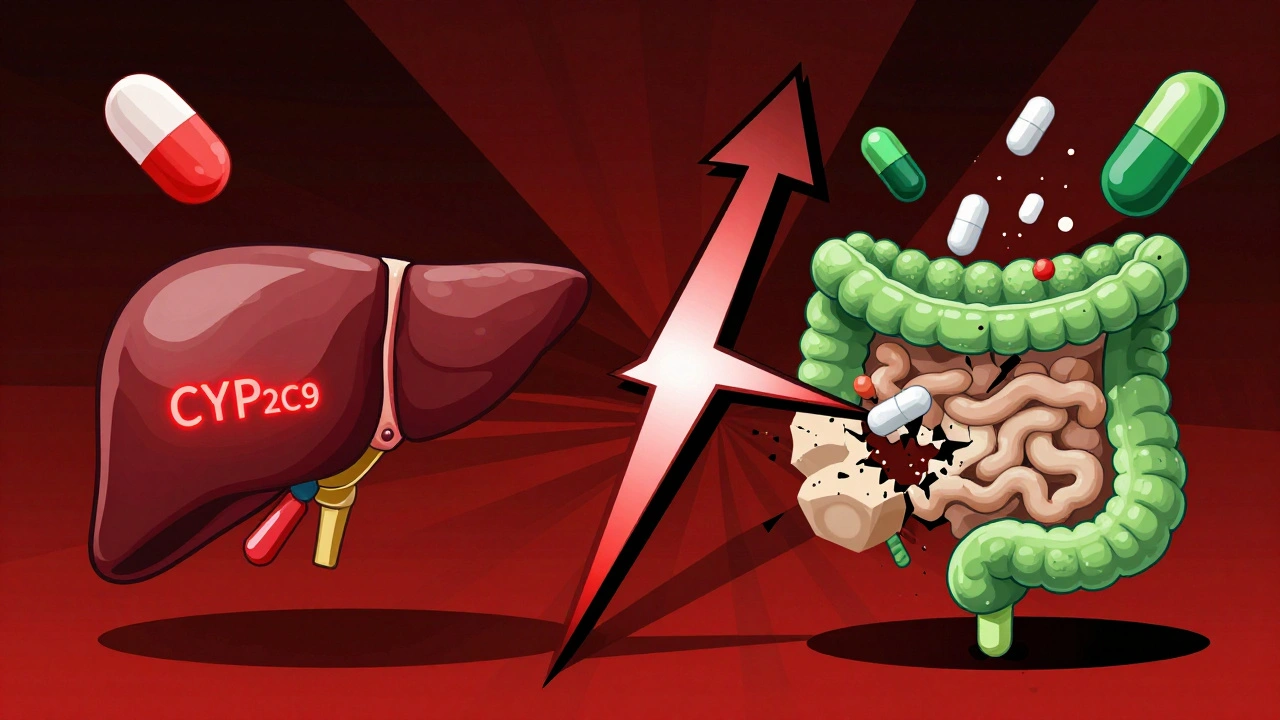
Antibiotics and Warfarin: How to Prevent Dangerous INR Spikes and Bleeding
Antibiotics can dangerously raise INR levels in people taking warfarin, increasing bleeding risk. Learn which antibiotics are most dangerous, when to check your INR, and how to prevent life-threatening spikes.
Continue reading