SEARCH
Category: Health Conditions - Page 2
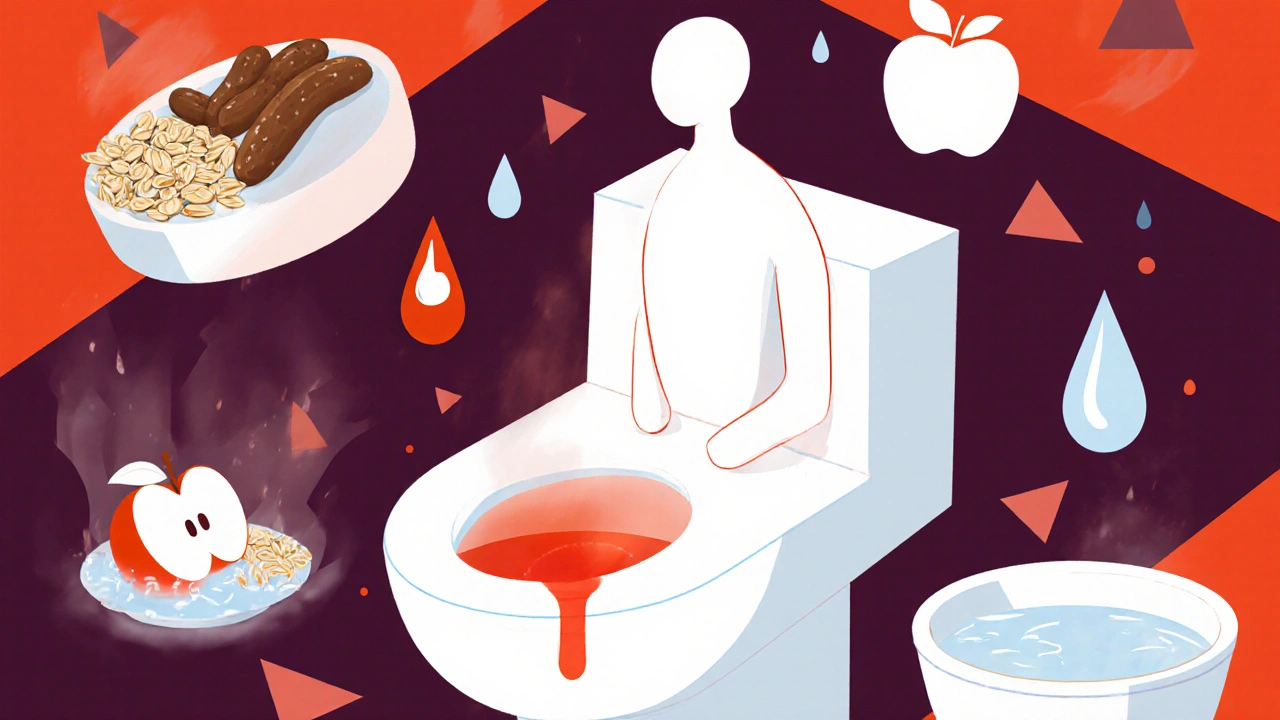
Anal Fissures: Painful Tears and How to Heal Them Fast
Anal fissures cause sharp pain during bowel movements and can last for weeks. Learn how diet, topical creams, Botox, and surgery can heal them - and when to see a doctor.
Continue reading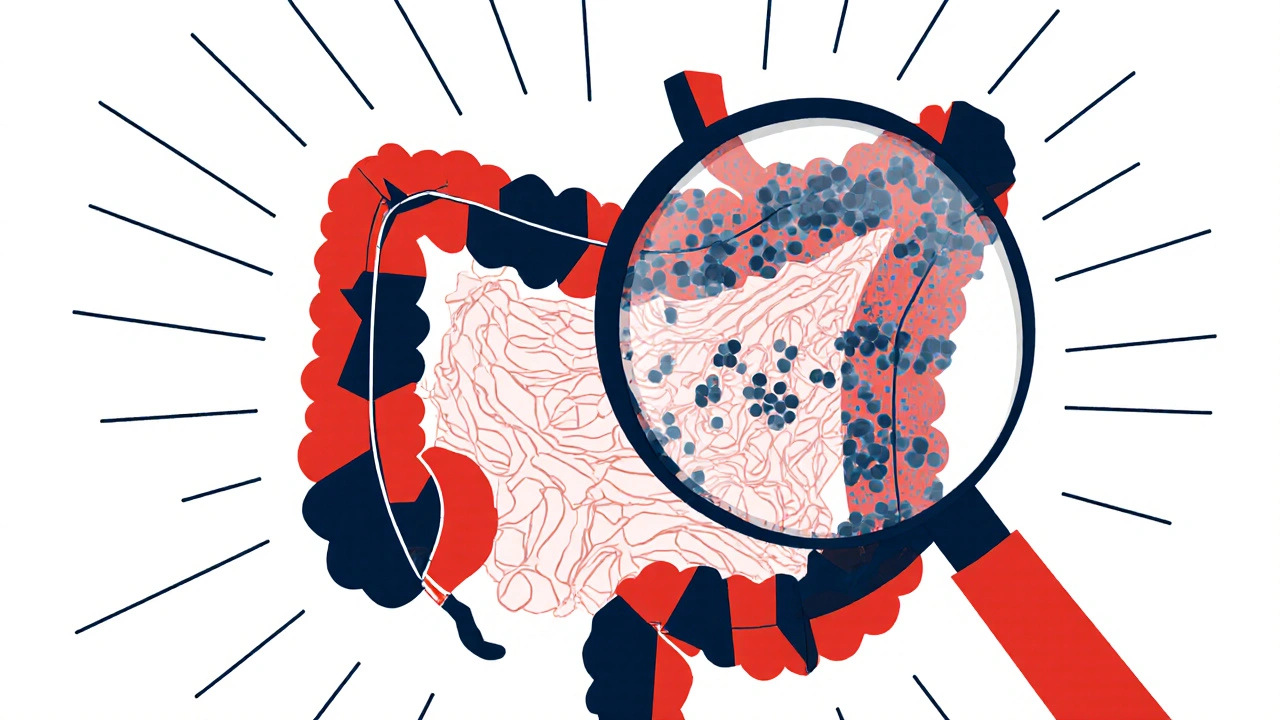
Microscopic Colitis: Understanding Chronic Diarrhea and Why Budesonide Is the First-Line Treatment
Microscopic colitis causes chronic watery diarrhea with no visible signs on colonoscopy. Budesonide is the most effective treatment, with 80% remission rates and fewer side effects than older steroids. Learn how it works and what to expect.
Continue reading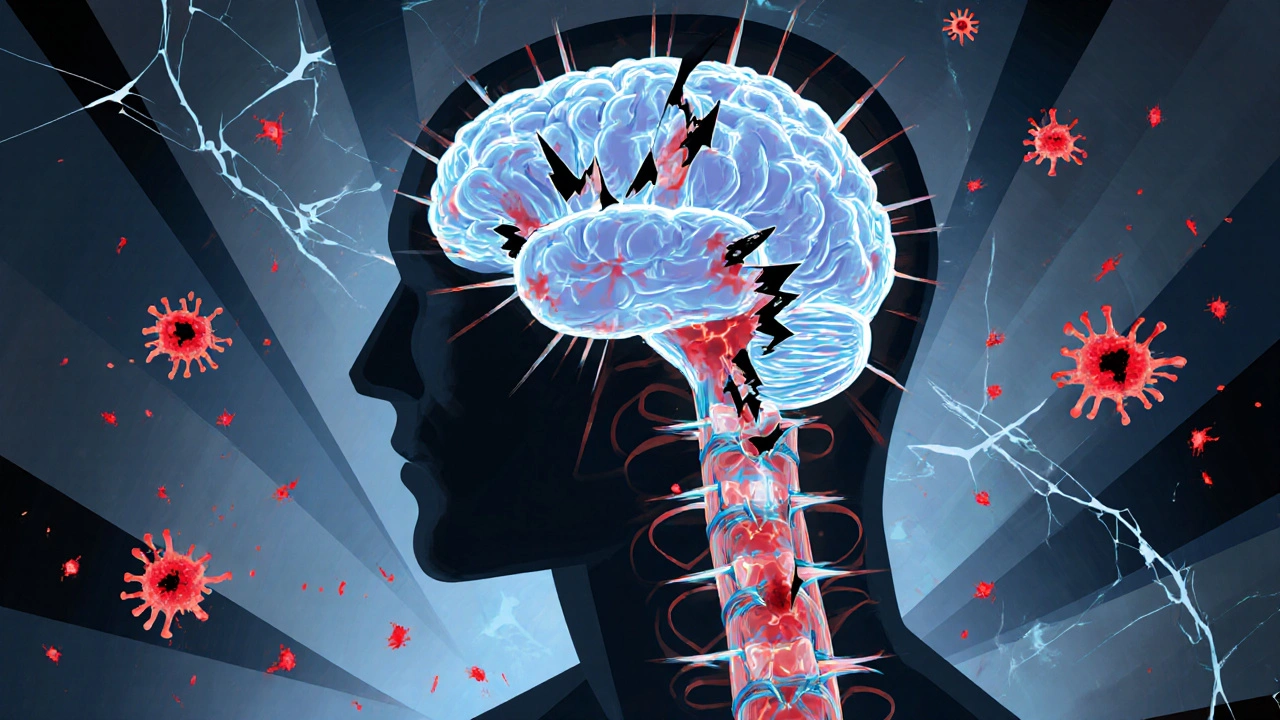
Multiple Sclerosis: What It Is, How It Works, and What You Can Do
Multiple sclerosis is an autoimmune disease that attacks the nervous system, causing fatigue, numbness, and mobility issues. Learn how it works, the four types, current treatments, and what’s coming next in research.
Continue reading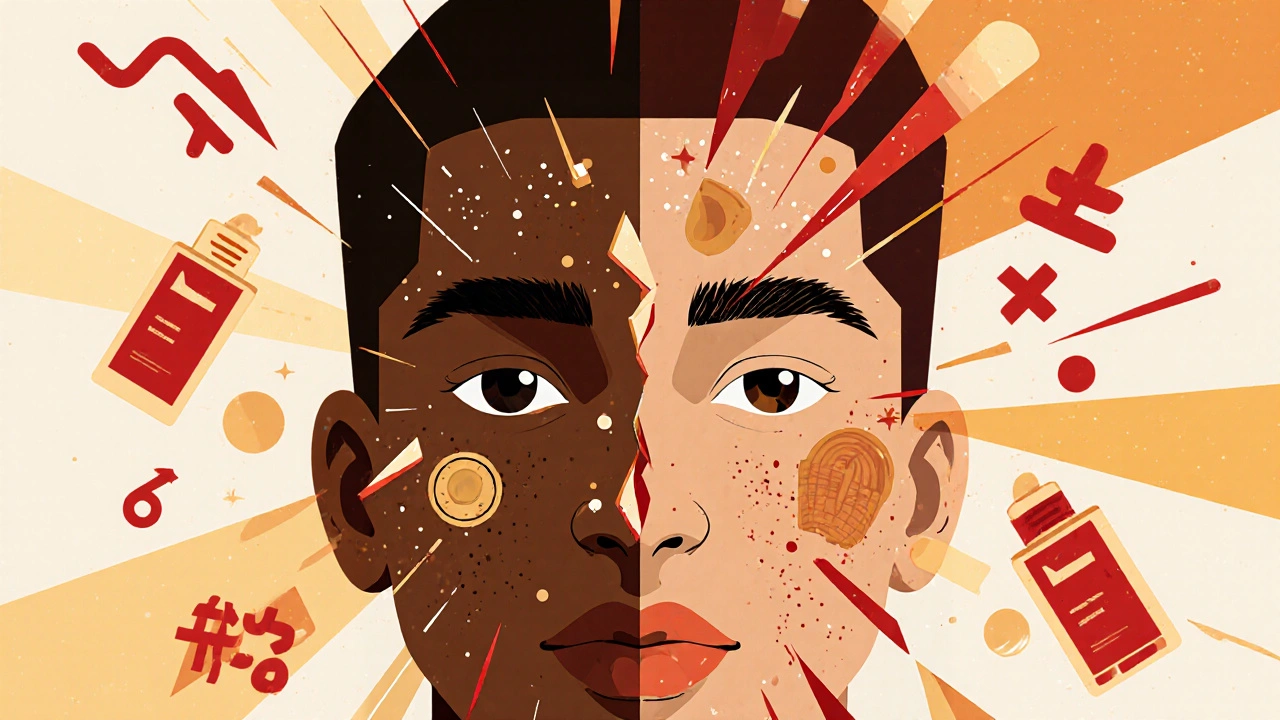
Skin of Color Dermatology: Managing Hyperpigmentation and Keloids
Learn how hyperpigmentation and keloids affect skin of color, what treatments actually work, and how to prevent worsening. Get science-backed strategies for managing dark spots and raised scars safely.
Continue reading
Pediatric Hypertension: Causes, Signs & Treatment Guide
Learn what causes high blood pressure in kids, how to spot symptoms, and the best treatment steps-from lifestyle changes to medication.
Continue reading
Hemorrhoid Misdiagnosis: 8 Conditions That Can Fool Your Diagnosis
Learn how to spot conditions that imitate hemorrhoids, understand red‑flag symptoms, and know when a medical exam is crucial to avoid misdiagnosis.
Continue reading
Hypocalcemia and Tetany: Symptoms, Causes, and Treatment Guide
Learn what hypocalcemia and tetany feel like, why they happen, how doctors diagnose them, and the best ways to treat and prevent low‑calcium crises.
Continue reading
High Eye Pressure and Migraines: What’s the Real Link?
Ever wondered if high eye pressure and migraines are connected? This article dives into how these two issues might interact, why your eyes could impact your headaches, and what signs you should watch out for. Get straightforward tips for relief and when it’s time to see a doctor. Real-life facts and advice to make sense of the science without any fluff. Stay in the know about your eye and head health.
Continue reading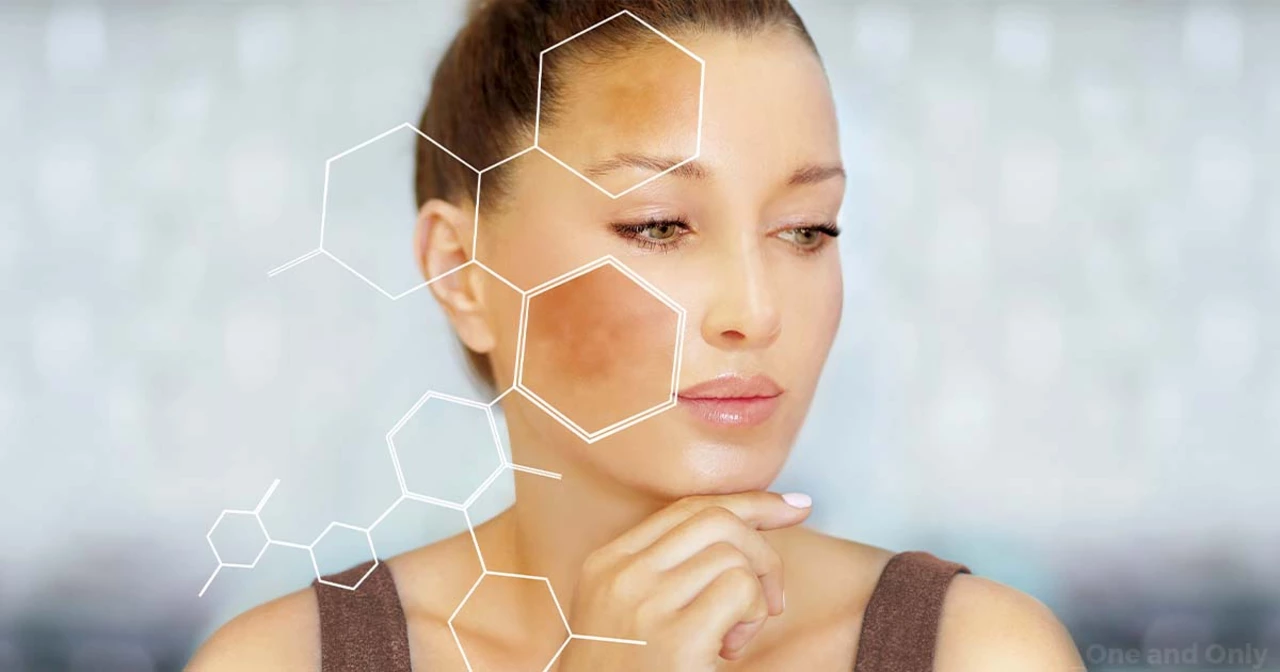
Chloasma and Ethnicity: How Skin Pigmentation Varies Across Cultures
In my latest blog post, I explored the fascinating topic of Chloasma and how it relates to ethnicity and skin pigmentation across different cultures. Chloasma, also known as melasma, is a skin condition characterized by dark, irregular patches on the face. I discovered that this condition is more prevalent in individuals with darker skin tones, particularly those from Hispanic, African, and Asian backgrounds. The reason behind this is the increased melanin production in these ethnicities, making them more susceptible to skin pigmentation changes. This post serves as a reminder of the importance of understanding and embracing the diversity in our world, especially when it comes to our skin and its unique characteristics.
Continue reading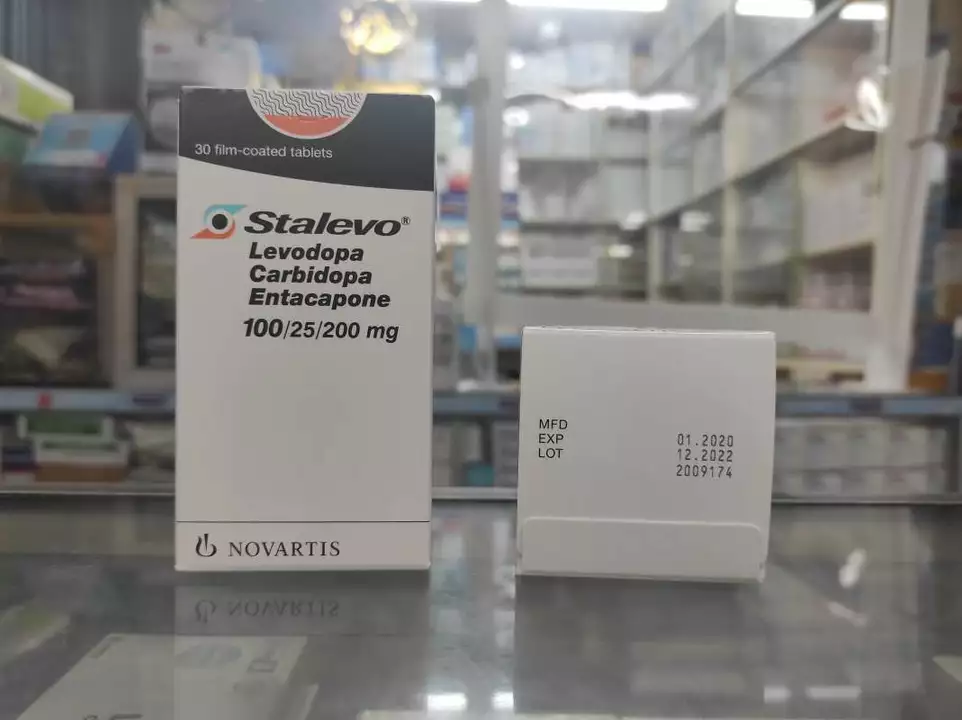
Carbidopa-Levodopa and the Elderly: Special Considerations for Geriatric Parkinson's Patients
As a blogger focusing on geriatric health, I've recently come across the topic of Carbidopa-Levodopa and its significance for elderly Parkinson's patients. This combination medication is crucial in the management of Parkinson's symptoms, particularly for geriatric patients. However, it's important to be aware of potential side effects and interactions with other medications that are common among the elderly. Dosage adjustments and careful monitoring by healthcare professionals are essential to ensure the best possible outcomes for those living with the condition. Overall, Carbidopa-Levodopa can play a vital role in improving the quality of life for geriatric Parkinson's patients when used appropriately.
Continue reading