SEARCH
Category: Medications - Page 2
Annual Boxed Warnings Summary: What Changed and Why It Matters
The FDA updated over 40 boxed warnings in 2025, making them more specific and data-driven. These alerts now tell doctors exactly what to monitor - and help patients understand real risks. Here’s what changed and why it affects your health.
Continue reading
Pre-Medication Strategies: Antiemetics, Antihistamines, and Steroids for Safer Medical Procedures
Pre-medication with antiemetics, antihistamines, and steroids prevents serious reactions during imaging and chemo. Learn how, when, and who needs it-and why blanket use is outdated.
Continue reading
How to Discuss Expired Medication Use during Disasters or Shortages
During disasters or medication shortages, expired drugs aren't always useless-but some can be deadly. Learn which medications are safe to use past their expiration date, which ones to avoid, and how to make smart decisions when no alternatives exist.
Continue reading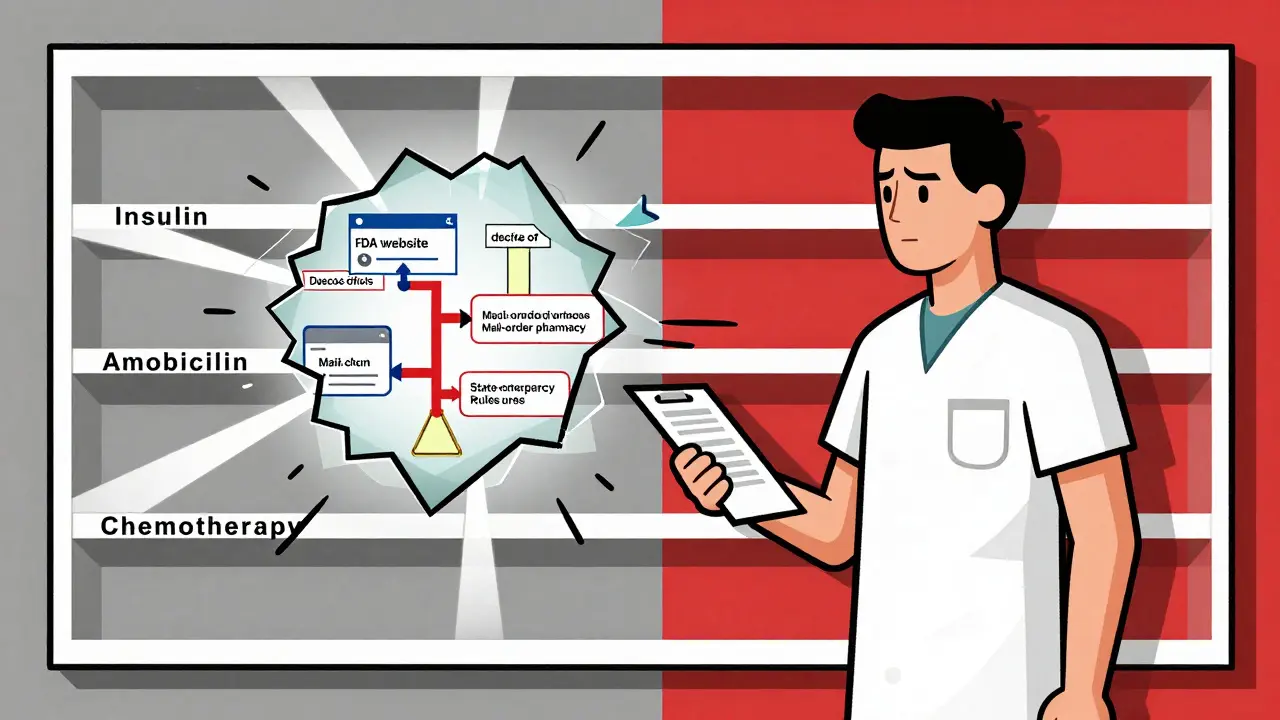
Medication Alternatives: What to Do During a Shortage
When your medication runs out due to a shortage, don’t panic. Learn how to find safe alternatives, check FDA lists, work with your pharmacist, and navigate insurance rules to keep your treatment on track.
Continue reading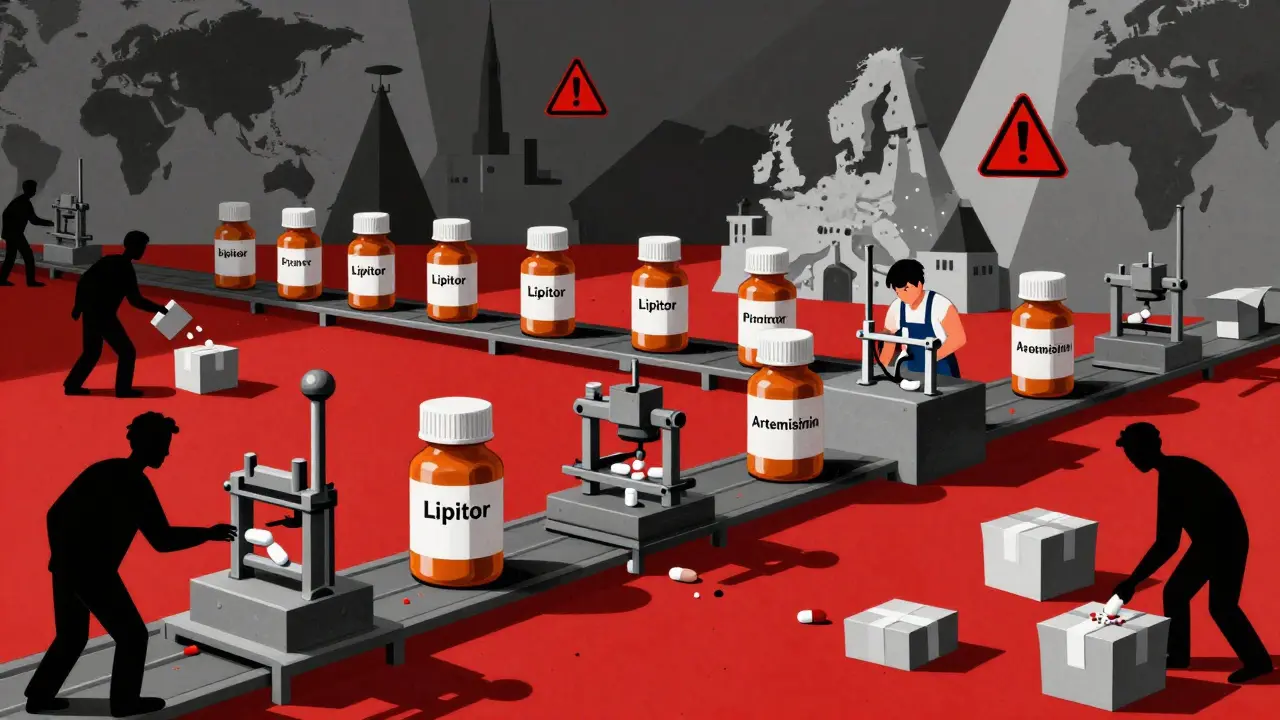
Fake Generic Drugs: How Counterfeits Enter the Supply Chain
Fake generic drugs are slipping into global supply chains through hidden factories, online pharmacies, and weak regulations. Learn how they’re made, how they get past checks, and what you can do to protect yourself.
Continue reading
Reading Medication Labels: Understand Dosage and Directions to Avoid Dangerous Mistakes
Learn how to read medication labels correctly to avoid dangerous dosing mistakes. Understand active ingredients, warnings, and how to measure liquid medicines safely.
Continue reading
Taste Changes and Metallic Taste from Medications: Proven Coping Strategies
Metallic taste from medications is common and often dismissed, but it can impact nutrition and adherence. Learn proven, science-backed strategies to cope with dysgeusia and keep taking your meds safely.
Continue reading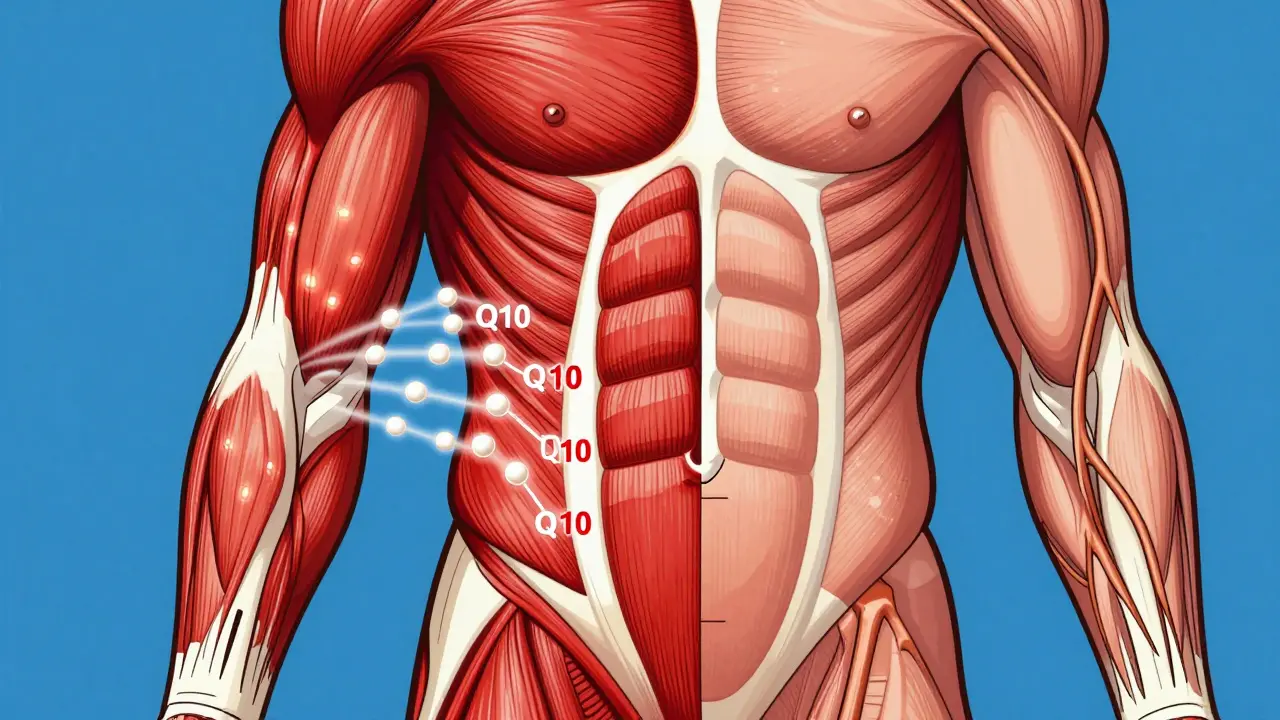
Muscle Cramps on Statins: How to Tell If It's Myopathy or Neuropathy
Statin muscle cramps are common, but are they from muscle damage or nerve damage? Learn how to tell the difference between statin myopathy and neuropathy - and what to do next to protect your heart without sacrificing comfort.
Continue reading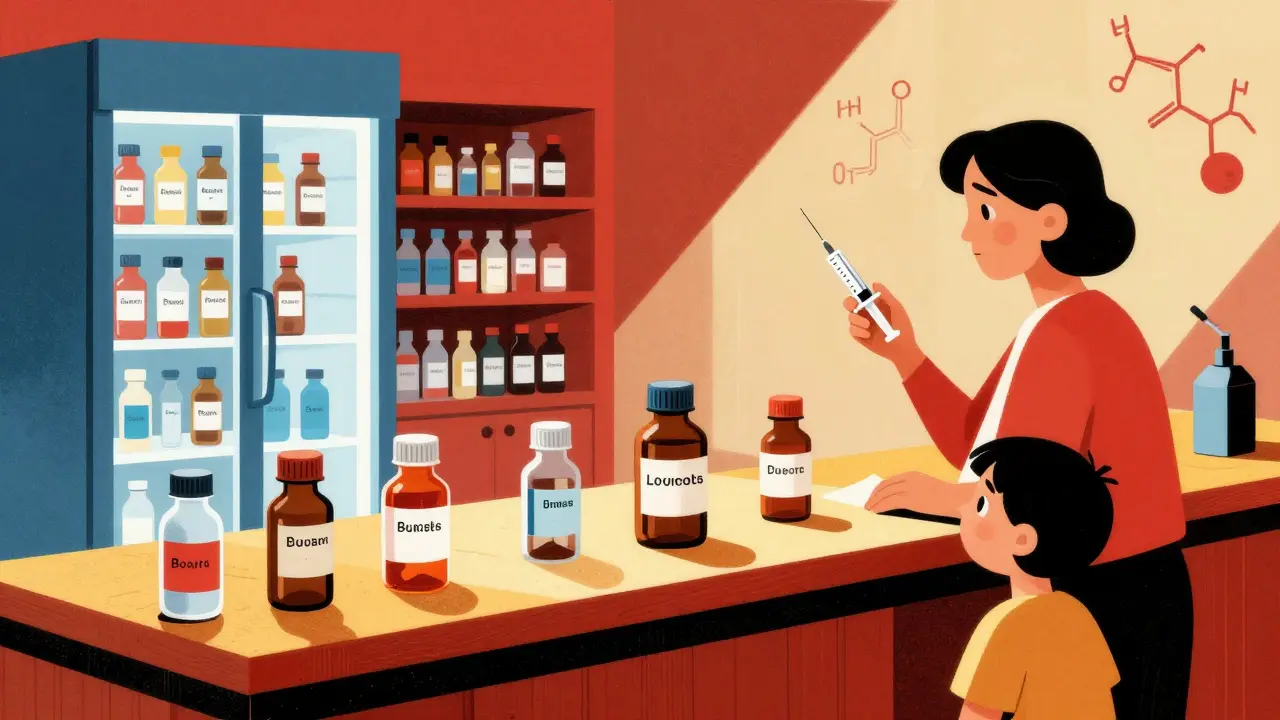
How to Store Liquid Antibiotics and Reconstituted Suspensions Correctly
Learn how to store liquid antibiotics and reconstituted suspensions correctly to ensure they stay effective. Discover which ones need refrigeration, how long they last, and what happens when you store them wrong.
Continue reading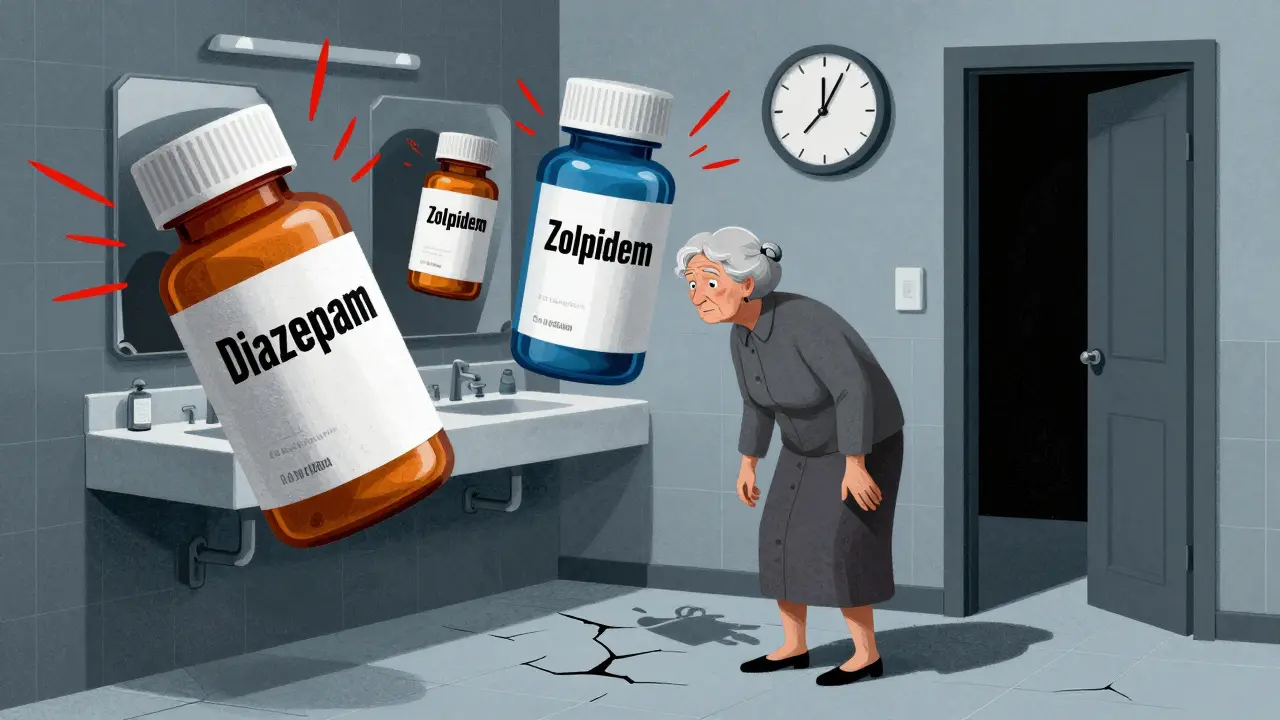
Fall Prevention Strategies for Sedating Medications in Older Adults
Sedating medications are a leading cause of falls in older adults. Learn how to identify risky drugs, work with pharmacists to deprescribe safely, and combine medication changes with exercise to cut fall risk by up to 60%.
Continue reading